SPCC plan or SWPPP: they are different rules, and you may need both
An SPCC plan and a stormwater plan are triggered by different things, sit under different regulations and are signed by different people. Here is how to tell which applies to your site, and where we stop being useful.
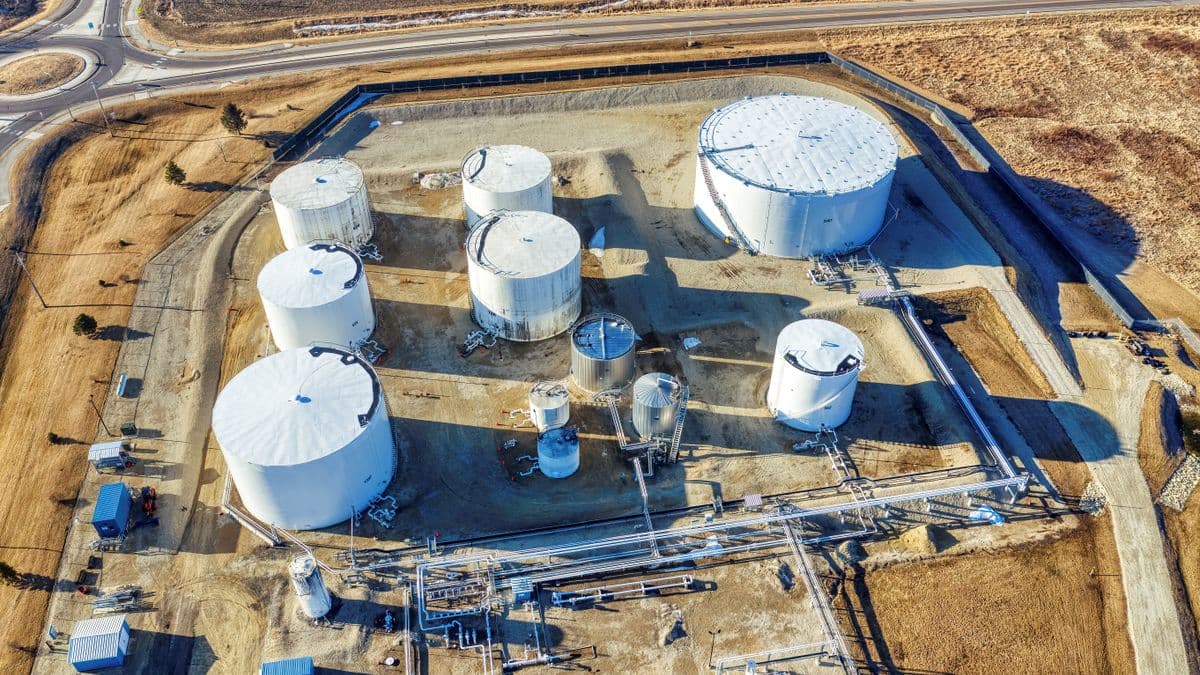
These two get conflated constantly, usually by somebody who has been told they need a plan and is searching for whichever phrase they heard first. They are not variants of one requirement. They come from different parts of the law, are triggered by different facts, and one of them we do not cover at all.
Being direct about the boundary first: Basinwise is a stormwater permit engine. We do not generate SPCC plans and we do not hold the SPCC rule in our cited dataset. If your question is purely an oil storage one, this guide points you at EPA and then stops.
The short distinction
- A SWPPP is a condition of NPDES permit coverage for stormwater discharges. On a construction site, coverage is triggered by land disturbance: one acre, or less inside a larger common plan of development or sale. The plan describes the site, the controls, the inspection schedule and the corrective actions.
- An SPCC plan is a spill prevention, control and countermeasure plan under the federal oil pollution prevention regulation at 40 CFR part 112. It is triggered by how much oil you store on site and whether a discharge could reach navigable waters. It is about tanks, containers and containment, not about sediment.
So the questions that decide them are different. For the stormwater plan: how much ground are you disturbing, and is this part of a bigger development. For the SPCC plan: how much oil is stored here, in what, and where would it go if a container failed.
Why a construction site often needs both
A site that disturbs several acres and also keeps a fuel tank for the plant can land inside both regimes at once. The land disturbance brings the stormwater permit; the stored oil brings the SPCC rule, if the storage crosses the applicability threshold and a discharge could reach a navigable water. Neither satisfies the other and each has its own inspection and recordkeeping obligations.
EPA publishes the applicability threshold, the plan requirements and the professional engineer certification rules for SPCC on its oil pollution prevention pages. We are deliberately not restating a number here that we have not read into our own cited dataset, because a number without a section behind it is exactly what this product exists not to publish. Read it from EPA's SPCC pages and confirm it against your storage inventory.
The signature question is different too
The two regimes differ on who may prepare and certify the document, and this catches people who assume one answer covers both.
- For a stormwater plan, whether a credentialed preparer is required depends entirely on the state. California requires a Qualified SWPPP Developer. Several states gate it above an acreage threshold, New York gates it on what the plan contains rather than acreage, and many states have no preparer credential at all.
- For an SPCC plan, the certification rules come from the federal rule itself rather than from your state, and they turn on facility size and whether you qualify to self certify. That is a separate question with a separate answer.
The failure mode here is assuming that because you were told a professional engineer had to stamp something, they must stamp everything. Practice act citations on the stormwater side are routinely overstated: a PE stamp is not required as a general matter in most states with no preparer gate.
What to do next
- Settle the stormwater question first, because land disturbance is usually the trigger you already know about. Screen the site and see whether coverage applies, which permit governs and who may prepare the plan.
- Inventory your oil storage separately: tanks, drums, transformers, hydraulic reservoirs, and anything else holding oil in bulk. Take that inventory to the EPA SPCC rule rather than to a stormwater tool.
- Do not let one plan claim to cover the other. An inspector looking for containment around a fuel tank is not going to accept an erosion control plan, and vice versa.
Settle the stormwater side in a couple of minutes, with the permit section behind every answer.
Screen a site freeThis guide is general compliance guidance, not legal or engineering advice, and it is not a permit. To see what applies to your own site, use the free screening, or see how the same engine works from your own code or an AI agent.
More guides
Put this into practice on your own site
Screen a site free in your browser, or read the permit that governs your state.