The half acre lot that needs a permit: the larger common plan trigger
Everyone knows the one acre threshold. The trigger that catches people is the second one, which pulls small lots inside a bigger development into coverage even though the lot alone is well under an acre.
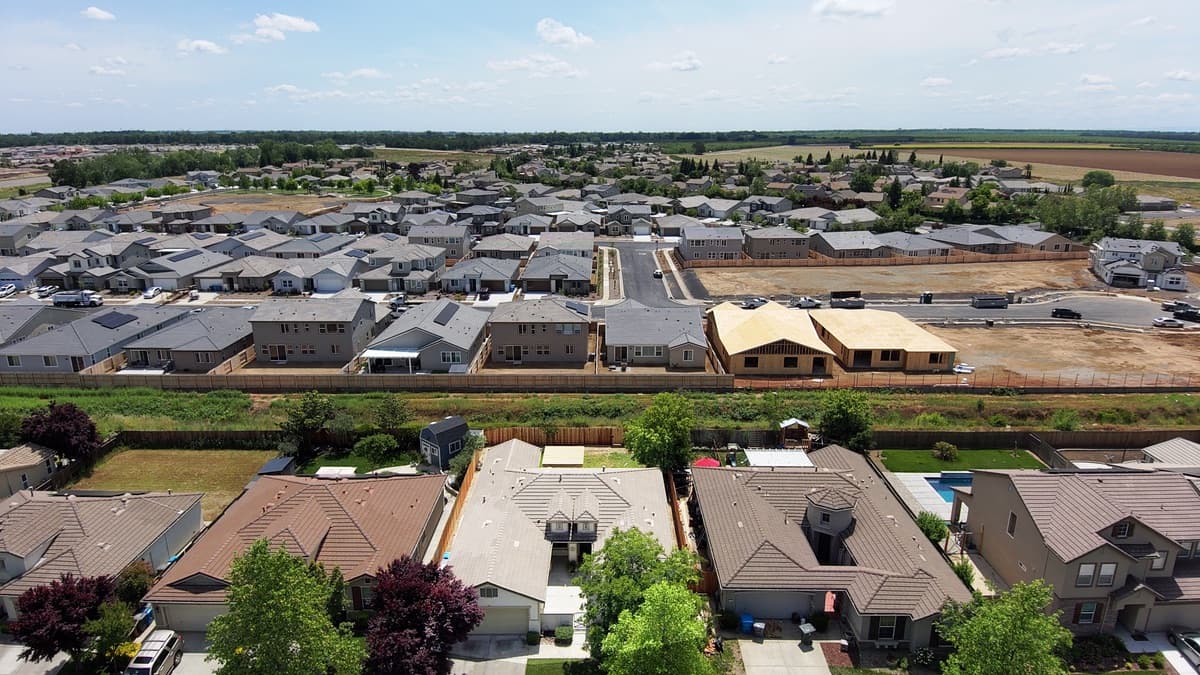
Ask anybody on a site when a stormwater permit is needed and you will hear the same answer: one acre. That is correct and it is half the rule. The other half is the reason a builder putting up a single house on a quarter acre lot can be as covered as the developer who laid out the subdivision.
The two triggers
- One acre or more of land disturbance. Total disturbance for the project, including staging, access and support areas, not just the building footprint. Part 1.1.2.
- Less than one acre, if the project is part of a larger common plan of development or sale that will ultimately disturb one acre or more. The lot alone being small does not matter.
A half acre lot inside a 40 acre subdivision is covered. The acreage that counts is the plan's, not yours.
What counts as a larger common plan
The test is about the development, not about who owns what today. If the land was laid out, marketed, permitted or sold as part of a single scheme that will ultimately disturb an acre or more, the individual parcels inside it are generally within coverage even when they are built out years apart by different builders.
Some patterns that commonly qualify:
- A residential subdivision built out lot by lot over several seasons.
- A phased commercial development where each phase is under an acre but the master plan is not.
- A business park where parcels are sold individually off a common plat.
- An industrial site expanding in stages under one long term development scheme.
The question is genuinely a judgement in edge cases, and the permitting authority is the one whose judgement counts. If your project sits near the line, ask them before you break ground rather than after.
Why people get this wrong
Three reasons, and they compound.
- The number is memorable and the exception is not. One acre is a clean fact that travels well on a job site. The larger common plan test is a sentence, and sentences do not survive being repeated.
- The party who is covered is often not the party who planned the development. The subdivision developer knows the total acreage. The framing contractor on lot 14 sees a quarter acre and reasonably concludes they are under the threshold.
- Nothing about the site looks different. There is no line on the ground marking where the larger plan starts. The trigger is a fact about the paperwork, and the paperwork is usually somebody else's.
What being covered actually obliges you to do
If either trigger applies, coverage is not the end of it. Under the federal permit you must develop a written site specific plan before you file your Notice of Intent, file that notice at least 14 calendar days before construction begins, inspect on the permit's schedule, initiate stabilisation immediately when work stops in an area and complete it within the deadline for your disturbed area, act on deficiencies within the corrective action windows, and retain the inspection and corrective action record for at least three years from the date coverage expires or is terminated.
Those are the federal obligations. Most states issue their own construction general permit, which must be at least as protective and can be stricter, so check which permit governs your site before you adopt any of those numbers.
Two things the threshold does not settle
- Being under the threshold is not a guarantee. EPA can designate a site of any size as needing coverage, and local ordinances routinely require their own permit at lower acreage than the federal rule.
- Coverage does not tell you who may write the plan. That is a separate, state by state question, and in some states the answer is that you may not write it yourself.
Run your acreage and answer the larger common plan question honestly. The tool shows which trigger decided it.
Screen a site freeThis guide is general compliance guidance, not legal or engineering advice, and it is not a permit. To see what applies to your own site, use the free screening, or see how the same engine works from your own code or an AI agent.
More guides
Put this into practice on your own site
Screen a site free in your browser, or read the permit that governs your state.